
September 14, 2026 · Danielle Flaherty
How to Plan Your Nutrition Around Your Workout
When you eat matters as much as what you eat. A practical, class-by-class guide to fueling your workouts — from the 5:30 AM crew to the noon class.
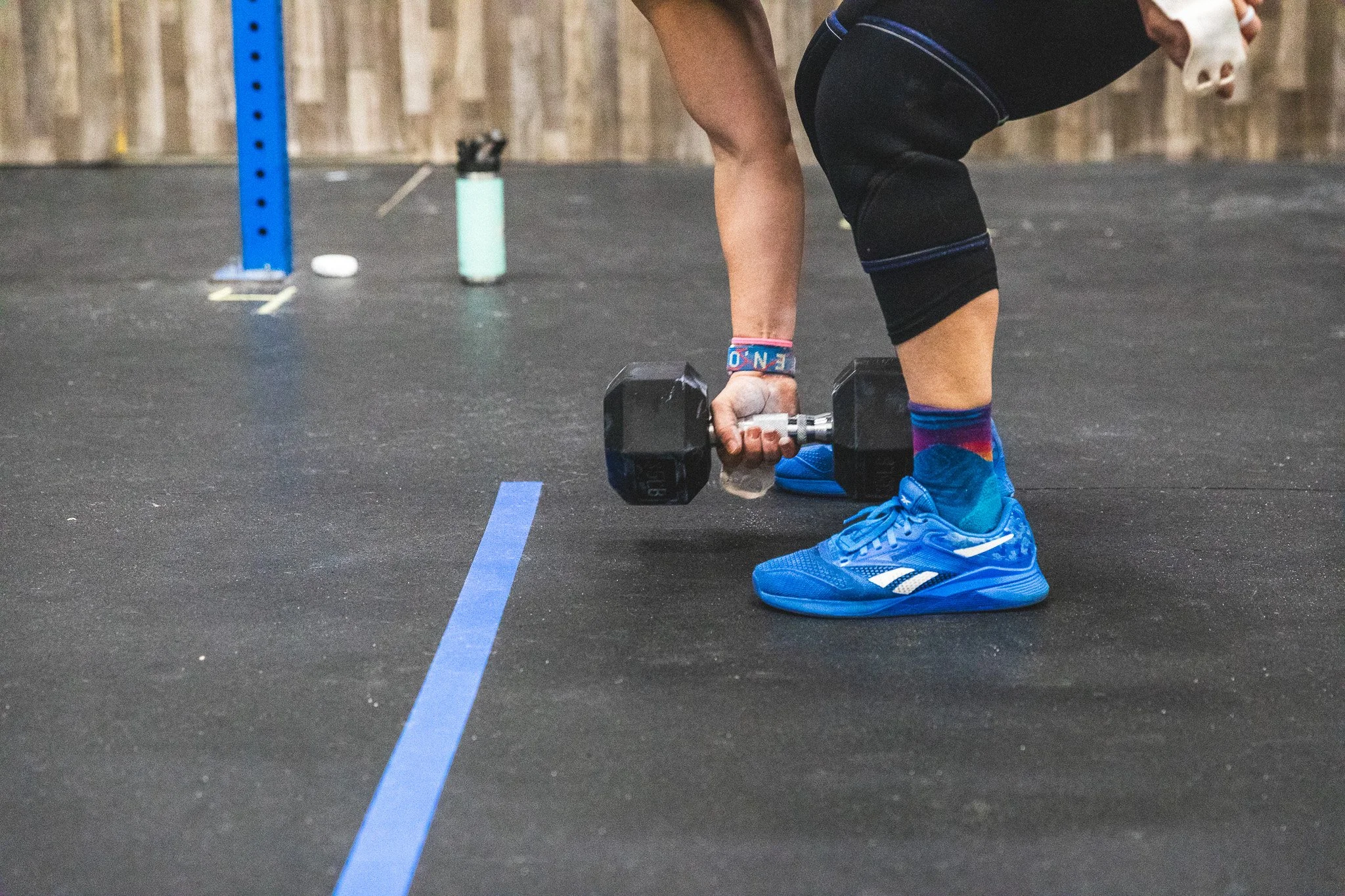
By Danielle Flaherty, Harpoon member & registered nurse
We spend a lot of time thinking about what we eat. When it comes to training, when we eat matters too. Properly fueling before a workout can make a noticeable difference in your energy, strength, and how you feel during class.
Pre-workout nutrition is meant to give your body enough energy to perform well without eating so much that you feel slow or sluggish during your workout. There can be some trial and error here — what works for someone training at noon might not work for someone walking through the doors at 5:25 AM.
2–3 hours before class
Have a normal meal with carbohydrates + protein, plus some fat and fiber. Examples: eggs, toast + fruit; Greek yogurt, granola + berries; chicken, rice + vegetables; oatmeal with protein + banana. Your body has plenty of time to digest a more complete meal.
30–90 minutes before class
Keep it smaller and easier to digest. Focus primarily on carbohydrates with a little protein, while keeping fat and fiber relatively low. Examples: banana + Greek yogurt; rice cake + sliced turkey; toast + cottage cheese; banana + a few sips of a protein shake.
The closer you get to your workout, the simpler your carbohydrate source should be. Why? Fiber, fat, and larger amounts of protein all slow digestion — that's fine the rest of the day, but right before a workout we want carbohydrates that digest quickly and provide readily available energy.
If you're a 5:30 or 6:30 AM athlete…
You do not need to wake up at 3:30 AM to eat! If you feel great training without food, you don't necessarily need to force a full meal. But if you regularly feel sluggish, lightheaded, or notice your performance dropping toward the end of the workout, experiment with a small amount of carbohydrate before you train: half a banana, applesauce pouch, a piece of toast, or a rice cake. Even a small amount of carbohydrate may give you a little more fuel to work with. After class, have a real breakfast with protein, carbohydrates, and fat to support recovery.
7:30 + 8:40 AM classes
A light breakfast 60–90 minutes beforehand can work really well — or a small, easily digested snack before class and a larger breakfast afterward, depending on when you wake up. Pay attention to both how your stomach feels and how you perform.
10:00 AM Legends class
If you ate breakfast around 7:00–8:00 AM, you're probably in a great spot. Aim for a breakfast that includes both protein and carbohydrates, and add a small snack if you're starting to feel hungry.
Noon class
Breakfast alone probably isn't going to carry you through a noon workout. Try a mid-morning snack around 11:00 with carbohydrates and some protein: Greek yogurt + fruit, banana + protein shake, half a turkey sandwich, cottage cheese + fruit. Then plan on a well-rounded lunch after class.
5:30 PM class
If you eat lunch around noon, that's a long stretch before a 5:30 PM workout. Instead of walking into class running on fumes, try adding a 3:30–4:30 PM snack with carbohydrates and some protein. If you're eating closer to class, choose a simpler carb that's easier to digest.
Let's not forget hydration!
Pre-workout nutrition isn't just about food. Start hydrating well before class rather than trying to catch up once the workout starts. For the early-morning crew, start with some water when you wake up — room-temperature or warm water if cold water isn't appealing first thing.
The bottom line
The closer you get to the start of your workout, the simpler your carbohydrate source should become. Fat and fiber are important parts of a balanced diet — we're simply being more strategic about when we eat them. Digestion, appetite, and nutritional needs are all highly individualized, so use these guidelines as a starting point, experiment a little, and pay attention to how you feel and perform. Fueling your workouts doesn't have to be complicated — a few small changes in what you eat and when can make a noticeable difference.